• Skip to primary navigation
  • Skip to main content
  • Skip to primary sidebar

Givens Creative

Life at the intersection of faith, nature, history and art

  • Home
  • About
  • Blog
  • Spiritual Direction
  • Publications
  • CCG Music
  • Contact
  • Show Search
Hide Search

Uncategorized

Remembering Our Belovedness

Steve · March 19, 2025 · Leave a Comment

Lent is a solemn time. We are called to fast, pray, and give to others our time, talent and treasure. We are asked to walk beside Jesus as he makes his way toward the cross. It’s a time of remembering what’s often called our “salvation history,” the story of God’s plan to save humanity from sin and death, unfolding through key events and figures in the Bible, and culminating in the life, death, and resurrection of Jesus Christ. It’s a time of repentance and reconciliation with God and others. Serious stuff.

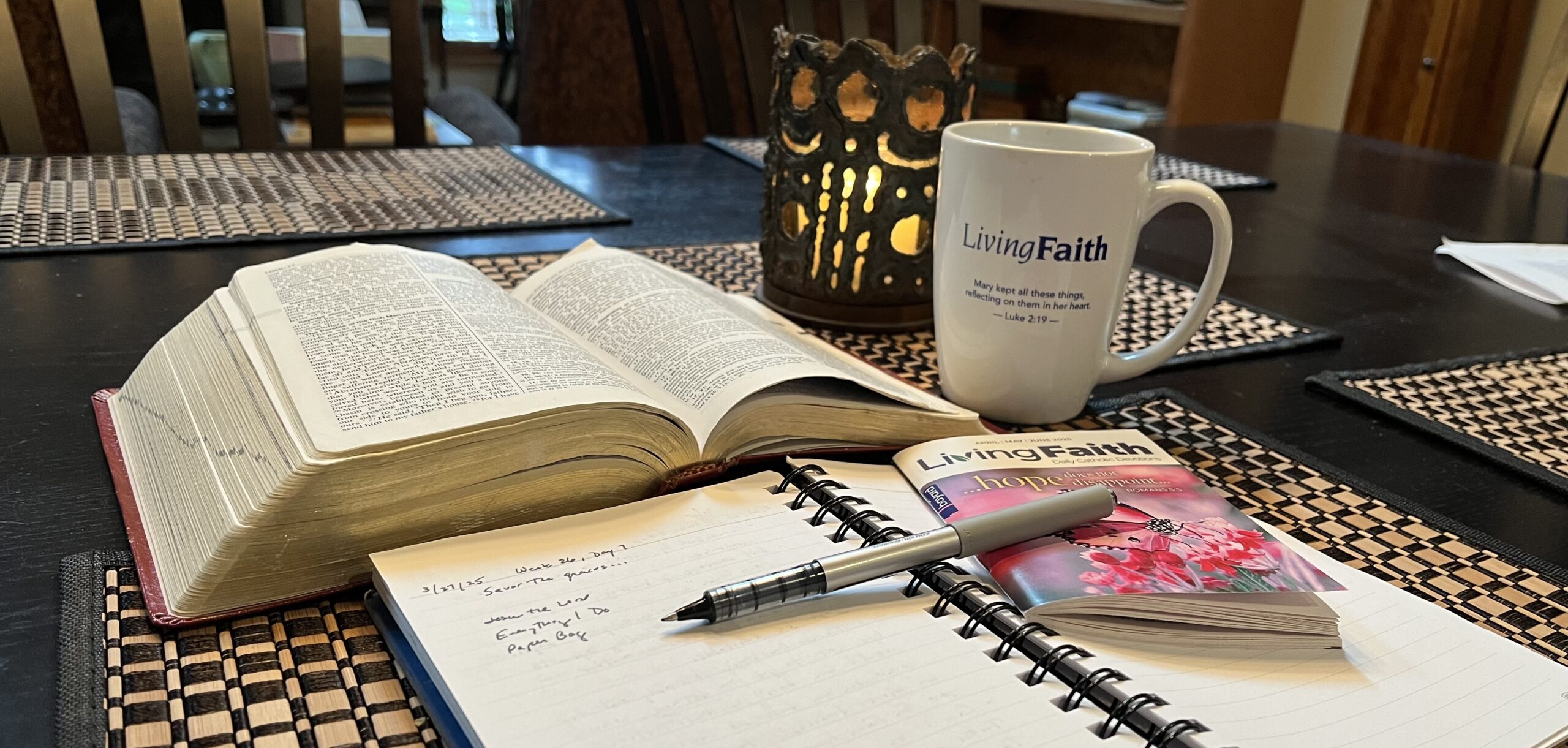
When I lead individuals through a nine-month experience of the Spiritual Exercises of St. Ignatius Loyola and we enter into what is called the “third week,” it always intersects with the season of lent. I remind them that this time is different. It’s time for their prayer to become more intimate and quieter and for the lights to become a bit dimmer. It’s time to light a candle to help focus our minds and hearts on the seriousness of our relationship with Christ and what that means for our souls.

But all that is not to say this is a time to be glum and mournful. As we fast and pray, Jesus reminds us in Matthew 6 to “wash our faces and comb our hair” so that our fasting isn’t obvious to everyone around us but only to God who sees the extra effort we’re making. Lent is, on one hand, a time to remember the “darker side” of the Christian story and reform ourselves because of it. But the core of that story, we need to remember, is more than Jesus’ painful death on the cross. We’re not asked to merely remember the pain. We’re called to see the love hanging there.

At the heart of the story is a relationship based on love and our belovedness by God. No other approach, no other “bottom line” is sufficient to tell the story of Jesus and the cross. At the far end of Lent, Easter awaits. To get there, the only path is love. Whatever we feel about ourselves and our lives, whatever burdens we carry, whatever weaknesses and sins weigh heavy, Lent is a time to remember God’s love for us.

Today I want to share with you singer-songwriter Sarah Kroger’s lovely song, “Belovedness,” a gentle and powerful reminder of this most important truth of our relationship with God. It contains these lines:

You’ve owned your fear and all your self-loathing.
You’ve owned the voices inside of your head.
You’ve owned the shame and reproach of your failure.
It’s time to own your belovedness.

You’ve owned your past and how it’s defined you.
You’ve owned everything everybody else says.
It’s time to hear what your Father has spoken.
It’s time to own your belovedness.

He says, “You’re mine, I smiled when I made you.
I find you beautiful in every way.
My love for you is fierce and unending.
I’ll come to find you, whatever it takes,
My beloved.”

Hey, Death: No Hard Feelings

Steve · March 2, 2025 · 1 Comment

On this last Sunday before many Christians around the world begin the six-week observance of lent, we are being challenged to consider one of the core reasons for this season of repentance and prayer: To remember that we are dust and to dust we shall return. For is there any relationship in our lives more powerful than that which we have with the knowledge of our own inescapable death?

In the first reading from Sirach, we’re told to pay close attention to the words we speak, for they reveal our inner selves and the “bent of our minds” clearly to those around us. We’re reminded to think before we speak and to base our praise of others on the words that come out of their mouths and not by the reputations (or political power) that proceeds them. In the second reading from 1 Corinthians, we come face to face with death and are asked to contemplate and pronounce for ourselves those two famous questions: “Hey, death, where is your victory? Where is your sting?”

Neither I (nor I think St. Paul) is making light of death. Death, especially when it happens to the innocent and to those we love, stings. It hurts. It can leave us broken and crippled, at least for a while. But Paul’s point, and one of the key points of Lent, is that for those of us who believe in the story of Jesus and his redemptive life, death and resurrection, death does not get the final say in our existence. Our faith in Jesus and our belief in eternity demands more of us.

Lent is a time to consider just how it is we are living our lives. It’s a time to measure the fruits of our existence and a time to honestly examine our lives and see how our words and deeds measure up against the length of our days.

If you’re still on the fence about your own Lenten observances, I humbly suggest beginning with these kinds of observations of ourselves. For making such an honest examination of our lives will no doubt lead us straight back into the lap of God, to the giver and sustainer of all life. It will lead us into the disciplines to which Lent calls us – more prayer, more fasting (less for ourselves), and more charity toward others. Perhaps the most important thing we can give up for Lent is our self-blindness.

I have been moved lately by the song below, written and performed so beautifully by the Americana group the Avett Brothers. It’s a call to face death in the way we live each day, in the words we speak, and in our honest considerations of the fruits of our existence. It’s a challenge to say, as the song begins:

When my body won’t hold me anymore
And it finally lets me free
Will I be ready?
When my feet won’t walk another mile
And my lips give their last kiss goodbye
Will my hands be steady when I lay down my fears, my hopes, and my doubts
The rings on my fingers, and the keys to my house
With no hard feelings?

Note: If you’re reading this is an email, you can enjoy the video for the song by clicking the link to my website.

No Hard Feelings

Stepping Out of the Boat and Into a Bolder Lent

Steve · February 20, 2025 · 2 Comments

Last week, I was reading and praying with the story of Jesus walking on the surface of the Sea of Galilee, as found in Matthew’s gospel (Matthew 14:22-33). It’s a well-known, frequently illustrated story, and one that I have been reading and trying to imagine since I was a child. The rough, roiling waves and the darkness of the fourth watch of the night (somewhere between 3 and 6 a.m.) all came alive for me as I imagined myself sitting scared in the boat (likely seasick, too). I could see (finally!) Jesus walking across the waves towards us and then stretching out his hand and inviting Peter (and me) to come walk beside him. It’s dramatic stuff. 

It’s a story that illustrates the power and divinity of Christ, of course. It follows another extraordinary story of the feeding of five thousand people with just five loaves of bread and two fish. Lest we begin to think this Jesus is just another wise rabbi or perhaps some kind of prophet, we are given stories to remind us (once again) that Jesus is both fully human and fully divine. They are stories that call us into action ourselves, reminding us that lives of faith are not for the faint-hearted and lukewarm.  

As 21st-century, scientifically literate readers, we are faced with decisions to believe (or not believe) in what we know to be impossible. Water cannot just become wine. A few pieces of food cannot feed a multitude of hungry people. We are heavier than water and will sink if we step out of the boat. 

And yet we find ourselves being beckoned to boldness of thought and action when we accept the call and mantle of Christ. The call to discipleship is the call to see more than meets the eye and strive for more than seems possible. 

With lent approaching in less than two weeks (Ash Wednesday is March 5), I’m beginning to think about what it means to live more boldly. Lent seems a good time to begin to explore this possibility more fully, to dip my toes into the water of a life in Christ that will challenge and transform me even further. 

I usually head into Lent with the best of intentions but not always the best and most challenging plans. So sometimes my meagre efforts fail a few weeks in, a little like Peter slipping beneath the waves when the water gets tough. In the midst of all of this contemplation, I am reminded that Lent is a time of both “fasting and feasting,” as the American motivational writer William Arthur Ward wrote in his now-famous prayer:  

Lenten Litany of Fasting and Feasting

Fast from judging others; feast on the Christ within them.
Fast from emphasis on differences; feast on the unity of life.
Fast from thoughts of illness; feast on the healing power of God.
Fast from words that pollute; feast on phrases that purify.
Fast from discontent; feast on gratitude.
Fast from anger; feast on patience.
Fast from pessimism; feast on optimism.
Fast from complaining; feast on appreciation.
Fast from negatives; feast on affirmatives.
Fast from unrelenting pressures; feast on unceasing prayer.
Fast from hostility; feast on non-resistance.
Fast from bitterness; feast on forgiveness.
Fast from self concern; feast on compassion for others.
Fast from personal anxiety; feast on eternal truth.
Fast from discouragement; feast on hope.
Fast from lethargy; feast on enthusiasm.
Fast from suspicion; feast on truth.
Fast from thoughts that weaken; feast on promises that inspire.
Fast from shadows of sorrow; feast on the sunlight of sincerity.
Fast from idle gossip; feast on purposeful silence.
Fast from problems that overwhelm; feast on prayer that undergirds.
Fast from instant gratifications; feast on self denial.
Fast from worry; feast on divine order.
Trust in God.
And finally, fast from sin; feast on the abundance of God’s mercy.

Let’s begin here: Lord, give us the courage to step out of the boat, to go beyond the minimal trappings of lent “sacrifices” and find opportunities to be more for you and bolder in our walks of faith.

Bonus Track: Here’s a song I wrote many years ago with my friend Jim Russell and performed with my band, Nathanael’s Creed. It’s called “Step Out of the Boat.”

Money, Money Everywhere and Not a Buck to Spend

Steve · February 3, 2025 · 1 Comment

Here’s a question for you: What’s a bar with no name in the middle of nowhere with approximately 90,000 one-dollar bills stapled to its ceiling and walls really worth?

The past two weeks, Sue and I have been escaping the Midwest winter cold in the Florida Keys. Saturday, after a week in Key West, we were driving back toward the mainland with a planned stop in Key Largo for another week. An audio touring app we were using suggested a short side trip on Big Pine Key to a place called the No Name Pub.  As the pub’s website says, “It’s a nice place if you can find it.”

We thought it sounded like a nice diversion (as if we needed a diversion from the beauty of driving along the 113-mile U.S. 1 Overseas Highway that runs the length of the Keys), so we exited as instructed and followed the app’s disembodied voice out onto the backroads of Big Pine Key, where we even caught a glimpse of some of the iconic and diminutive “key deer” that call the island home.

We pulled up in front of the pub, where a sign confirmed for us that we had, indeed, found it. Inside, as we had been told, every conceivable square inch of wall and ceiling was covered in autographed one-dollar bills. According to the app, there was an estimated 90,000 of them, deposited there by grateful barflies over the past 30 years or so. My head started to spin.

The whole thing prompted a conversation in my head about the worth of the building. Was it really worth $90,000 more than its real estate value? Were the bills still legal tender when written all over? Do the owners of the pub periodically take some of the bills down and then allow it to fill back up? Were they raising money for a good cause? Just what is the purpose and plan here? Inquiring minds needed to know! I sent a photo to my friend John (a retired banker) who questioned what the $90K in flammable paper might do to insurance rates. Imagine it all going up in flames!

According to an article I read on the bar’s website, there’s no purpose, no scheme, no underlying cause beyond the obvious. It’s just a celebration of a good thing. The owner of the pub doesn’t feel like the money belongs to him, and there are no plans for periodic removal. The money just “is,” a gift from those who pass through, a sign of appreciation for a cold beer and a hot pizza in the midst of a long drive. I think maybe he’s on to something.

The “stuff” of our lives is so often held up and measured by its monetary cost and perceived economic value, like many a photo I saw in Key West of Papa Hemingway with one of his prized trophy marlins. My initial thought of calculating the value of the bar was perhaps natural but it was the wrong question. Sometimes we are meant to just sit back and enjoy a cold one while contemplating the collective generosity of those who have come before us and left something behind.

And I think to myself, “what a wonderful world.” It would be a good place to be if we could find it.

What You Did For the Least of These 

Steve · January 12, 2025 · Leave a Comment

In 2018, I was asked to write a chapter in a book by a group of Living Faith writers called, “Scripture Passages that Changed My Life.” In reflecting back on my life, I landed pretty quickly on the teaching of Jesus that culminates in Matthew 25:40 — “Amen, I say to you, whatever you did for one of the least brothers of mine, you did for me.”

Here’s a shorter version of what I wrote for the book, and I think it’s a good summation of my understanding of social justice and Catholic social teaching that I developed as a young adult and how it influenced me for the rest of my life:   

I first became enthralled by this verse as a teenager watching the movie version of the musical Godspell. As the character of Jesus tells this parable of the final judgement and separates the sheep from the goats (his disciples down on all fours baa-ing and looking lost) my eyes were fixed on those poor goats. They were being directed to the left because they had failed to recognize Jesus in their encounters with those in need. Taken aback by this command to love even the strangers among us, one of them says to Jesus in a sultry voice, “If we’d known it was you, we’d have taken you around the corner for a cup of coffee!” And that, for me, became a lifetime challenge. Well of course, if I’d known it was you, Jesus…

Admittedly, when I first began to let these verses sink into me, I was focused not on verse 40 but on the very similar verse that ends the parable in verse 45: “Amen, I say to you, what you did not do for one of these least ones, you did not do for me.” There’s a big difference between those two verses, although they differ by just a few words. I was worried about what I might not do or recognize. I was afraid of being the goat during the final judgement. I was more concerned about letting Jesus down than I was encouraged to serve others. The idea frightened me and the story stuck with me.

My understanding of the story of sheep and goats deepened and widened over time. My full appreciation of the interconnectedness of faith and the care for others began to shift and evolve — a movement from fear to love. Seeing Jesus in “the least of these” became less a foreboding and forewarning of standing before Jesus to be judged and more the starting point for my understanding of human love, charity, everyday kindness, and justice. 

Jesus’ parable reflects the “mitzvah of hospitality” as found in Isaiah 58, outlining for us the corporal acts of mercy, the care and feeding of the lives and bodies of those around us. Jesus certainly knew what was written in Isaiah and was teaching his followers what he had learned from childhood — feed the hungry, give water to the thirsty, clothe the naked, shelter the homeless, visit the sick, visit the imprisoned, and bury the dead.

Matthew 25 has led me to at least try to understand what it means to be the other and the outcast. It allowed me to see the world and those in it with a different set of eyes. I was able to move from, “I wonder what they did (or didn’t do) to get in that position” to “that could be Jesus right in front of me, there on the street corner begging for coins.” 

I started to see the world and its problems not as the result of people’s faults, actions and inactions, but as vast and great opportunities to practice charity and — ultimately and more importantly — to work for justice. For both charity and justice are necessary as we take up the corporal works of mercy. We must be willing to roll up our sleeves and help those in desperate need, and we must be willing to seek justice and social change by working to eradicate the root causes of those problems. 

I have learned — with this scripture coursing through my veins — that my response to those in need must stem not from pity but from the deep understanding that the difference between “us” and “them” is a very fine line. It could have been my life that was flooded away [or my house and neighborhood burning], had I lived some place different.

To see Jesus in the faces of those in need is to have our lives transformed by the power of love. To serve the homeless is to embrace the poverty and humanity of the Incarnate Word of God. To care for the sick, injured and diseased is to bind up the wounds of the crucified, bleeding, hurting and human Jesus. To visit the lonely and imprisoned is to walk the way to Golgotha with Jesus, to shoulder the cross for even a few steps and hear the sound of metal on metal and the cries of his mother. 

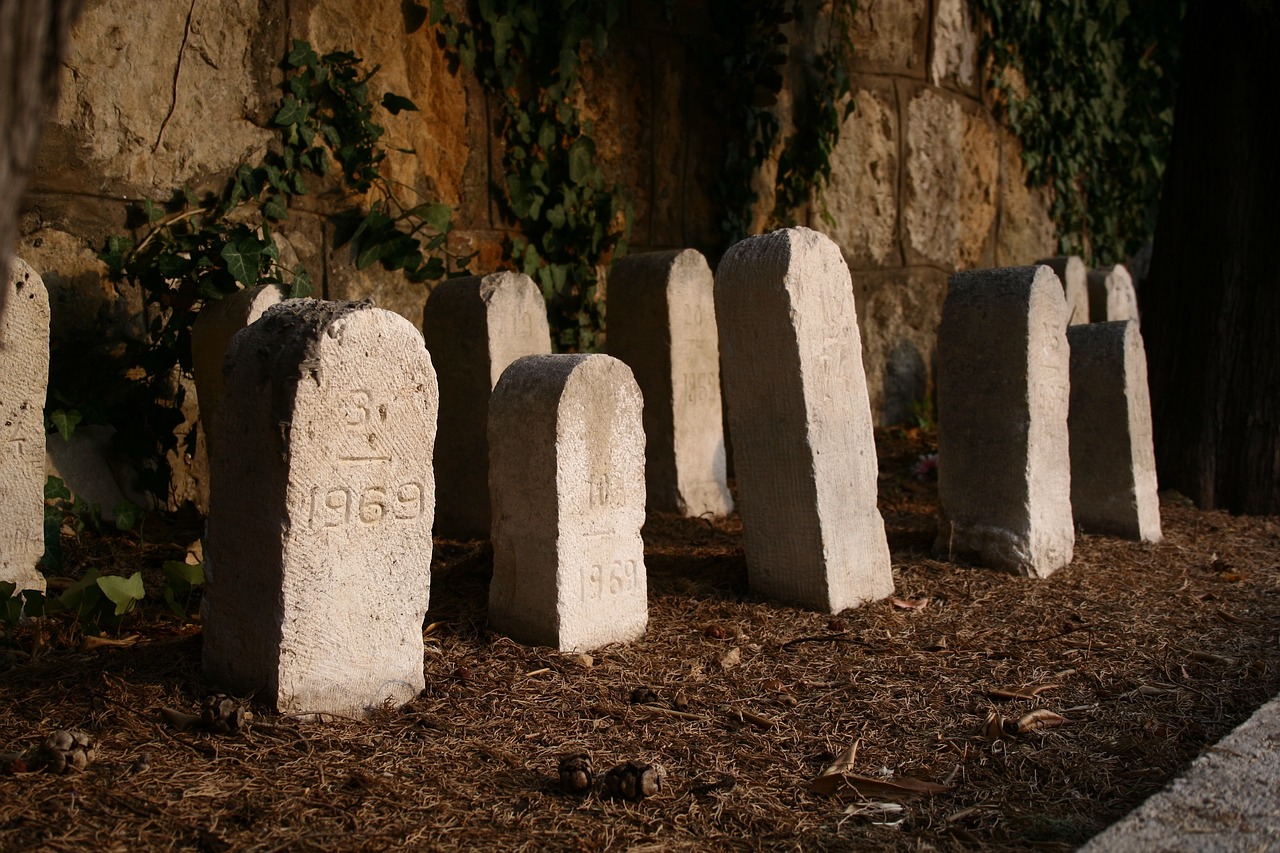
Image by Sri Harsha Gera from Pixabay

To recognize and embrace the broken in the world is to see Jesus and cling to him. The parable of the sheep and the goats in Matthew 25 is perhaps the great and lasting challenge of our lives. For it is, above all, about loving Christ, loving as Christ loved, and loving others as though they were Christ, all at the same time. “Love me,” Jesus says to us.     

Do you listen to podcasts? 

As the executive director of the Bridges Foundation, which offers the Spiritual Exercises of St. Ignatius Loyola in Everyday life to the St. Louis region and beyond, for the past several years I have served as the host of a video interview series that has now been turned into a podcast. You can check out and subscribe to “Bridges Conversations” at: iTunes, Spotify, or Podbean.

  • « Go to Previous Page
  • Page 1
  • Page 2
  • Page 3
  • Page 4
  • Interim pages omitted …
  • Page 16
  • Go to Next Page »

Primary Sidebar

Subscribe to Our Newsletter

Check your inbox or spam folder to confirm your subscription.

Categories

  • A (Very) Short Story
  • Being There
  • Blessings
  • Book Reviews
  • Chemotherapy
  • Christmas
  • Creative Spirit
  • Creativity
  • Games We Played
  • Guest Bloggers
  • History
  • House concerts
  • Ignatian Spirituality
  • Leadership
  • Music
  • My Soundtrack
  • Nature
  • Notes from a Lecture
  • Photography
  • Poetry
  • Prayer
  • Scripture
  • Songwriters
  • Spirituality
  • Sports and Culture
  • Stem Cell Transplant
  • STLToday Faith Perspectives
  • Today's Word
  • Travel
  • Two Minutes
  • Uncategorized
  • Vocation & Call

Recent Comments

  • Steve on All Signs Point to the House of God
  • Steve on We are the Leftover Fragments
  • Chris on We are the Leftover Fragments
  • Pat Butterworth on All Signs Point to the House of God
  • Steve on Wonder as the Foundation of Prayer

About the Author

Steve Givens is a retreat and spiritual director and a widely published writer on issues of faith and spirituality. He is also a musician, composer and singer who lives in St. Louis, Mo., with his wife, Sue. They have two grown and married children and five grandchildren.

Read More >>>

Recent Posts

  • For Just One Night – Hope and Peace
  • Let’s Go Around the Table (in Detail)
  • All Signs Point to the House of God
  • Wonder as the Foundation of Prayer
  • We are the Leftover Fragments

Recent Posts

  • For Just One Night – Hope and Peace
  • Let’s Go Around the Table (in Detail)
  • All Signs Point to the House of God
  • Wonder as the Foundation of Prayer
  • We are the Leftover Fragments
  • Home
  • About
  • Blog
  • Spiritual Direction
  • Publications
  • CCG Music
  • Contact

Reach out to connect with Steve Send an E-mail

Copyright © 2026 · Built by Jon Givens · Log in